What Is Pest Control and Why It’s Crucial for Homeowners
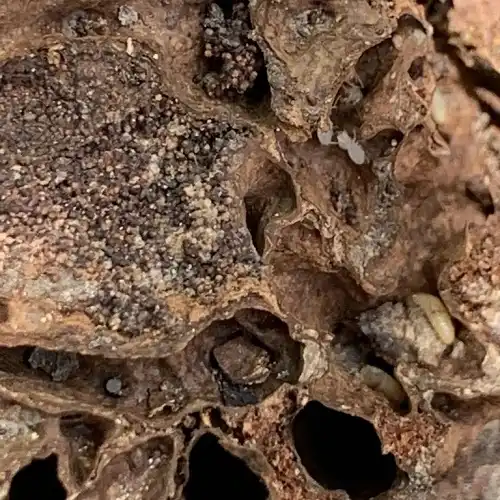
Picture this. You’re hanging a picture frame in the hallway, tap the wall, and it sounds hollow. Not “a bit off” hollow, but papery. A few weeks later you notice a fine, muddy line running up the skirting board.
We’ve been called to Townsville homes in exactly this situation more times than we’d like. By the time most owners notice something, the pests have usually been at work for months, or longer.
That’s why we’re writing this guide. At Townsville Termite Specialist, we want locals to understand what pest control really is, what it covers, and why it matters more here in the tropics than almost anywhere else in Australia.
What Is Pest Control?
Pest control in Townsville is the process of identifying, treating and preventing pests that damage your property or affect your health. It’s more than spraying a few chemicals around the house.
Good pest control has three parts:
- Identification: working out which pest you have and how far the problem has spread.
- Treatment: removing the pests with methods suited to that species and your home.
- Prevention: closing off entry points and fixing the conditions that attracted them.
Skip the first step and the rest becomes guesswork. A product that clears cockroaches won’t touch a termite colony living in your wall void.
Pests We Commonly See in Townsville
The warm, humid climate keeps pests active nearly all year. These are the usual suspects:
- Subterranean termites: the biggest threat to timber in northern Queensland
- Cockroaches: especially in kitchens, bathrooms and around drains
- Ants: from nuisance sugar ants to invasive species
- Rodents: which chew wiring and contaminate food
- Spiders and wasps: often nesting in eaves, sheds and under patio roofs
- Mosquitoes: a real concern after heavy wet-season rain
Why Pest Control Is Crucial for Townsville Homeowners
1. The Climate Is on the Pests’ Side
Townsville’s heat and humidity mean pests breed faster and stay active longer. The wet season makes it worse. Moisture softens soil and timber, and termites head straight for it.
Southern cities get a cold snap that slows insects down. We don’t.
2. Termite Damage Can Be Expensive
Termites are quiet. They eat timber from the inside out and can leave a thin outer layer that looks perfectly fine. Damage is often well advanced before it shows.
Standard home insurance policies commonly exclude termite damage, so repairs may come out of your own pocket. Preventing the problem costs far less than fixing it.
Key Takeaway: Most home insurance policies don’t cover termite damage. Regular inspections are your best protection.
3. Your Family’s Health Matters
Pests aren’t just a property issue. Cockroaches can trigger asthma and allergies. Rodents spread bacteria. Mosquitoes carry disease. If you have young kids, elderly family members or pets, keeping pests out of the house is a health decision too.
4. It Protects Your Property Value
Imagine you’re ready to sell, and the buyer’s pest report finds old termite activity. Deals fall over or prices drop at that point, and it’s a stressful way to learn about a problem.
A documented history of regular inspections and treatments tells buyers the home has been looked after.
Pest Inspection: Where Everything Starts
A pest inspection is a thorough check of your property for signs of pest activity, and for conditions that could invite it.
Our inspectors look at:
- Roof void, subfloor and wall cavities (where accessible)
- Timber fences, decks, pergolas and retaining walls
- Garden beds, mulch, tree stumps and stored timber
- Moisture sources such as leaking taps, poor drainage and blocked gutters
- Previous treatment records and existing termite barriers
We use moisture meters, thermal imaging and tapping tools, and we explain what we find in plain English. You’ll also get a written report so you know exactly where you stand.
How Often Should You Book One?
Australian Standards recommend a termite inspection at least once a year, and more often in high-risk areas. In Townsville, we treat annual inspections as the minimum. Homes with a history of activity, or those surrounded by established gardens and trees, may benefit from checks every six months.
Tip: Book your inspection before the wet season. Finding a problem in October is much easier than discovering it in February.
Understanding Pest Treatments
Not every pest needs the same approach. Here’s a quick guide to how pest treatments differ:
| Pest | Typical Treatment Approach | What Homeowners Should Know |
|---|---|---|
| Termites | Chemical barriers, baiting systems or targeted treatment | Needs a professional inspection first |
| Cockroaches | Gel baits, residual sprays, sealing entry points | Cleanliness helps, but doesn’t always stop them |
| Ants | Baiting and nest treatment | Spraying visible ants can scatter the colony |
| Rodents | Baiting, trapping, exclusion work | Sealing gaps is as important as removal |
| Spiders | Web removal and targeted treatment | Often return if insects (their food) remain |
A Common Mistake We See
A Townsville homeowner sprays supermarket insect spray on a line of ants. The ants vanish for a week and come back in greater numbers. That’s because many ant species respond to surface sprays by splitting into multiple colonies.
DIY products have their place, but they usually treat the symptom rather than the nest. If the problem returns, it’s time for a professional look.
Building And Pest Treatment: What It Means for Buyers and Owners
If you’re buying, selling or renovating, you’ll hear the term building and pest treatment (or building and pest inspections) a lot. It covers two connected jobs:
- Building inspection: checks the structure for defects such as cracks, water damage and poor drainage.
- Pest inspection: looks for termites, borers and other timber pests.
The two go together because pests and building defects feed each other. A leaking shower creates damp timber, which attracts termites, which weaken the structure further.
If activity is found, treatment options and next steps can be arranged so you can negotiate or plan with confidence.
Tip: Never skip the pest component of a pre-purchase check, even on a newer home. Termites don’t care how old the building is.
Simple Steps You Can Take Between Inspections
You don’t need to be an expert to reduce risk. Try these:
- Fix leaking taps, pipes and air-conditioning drains promptly
- Keep garden beds and mulch away from walls
- Store firewood and spare timber off the ground and away from the house
- Clear gutters before the wet season
- Don’t let soil or concrete cover your weep holes or termite inspection zone
- Seal gaps around pipes and door frames
- Take note of mud tubes, discarded wings, bubbling paint or sagging floors
If you spot any of these, take photos and get in touch rather than disturbing the area. Disturbing termites can cause them to relocate and make treatment harder.
Choosing the Right Pest Control Provider in Townsville
Look for a team that:
- Holds the required licences and insurance
- Understands local conditions and pest behaviour
- Explains findings clearly, with a written report
- Doesn’t push unnecessary treatments
- Offers follow-up and maintenance advice
Local knowledge counts. A technician who has worked in North Queensland’s soil and climate will spot things a visiting operator may miss. That’s the approach we take at Townsville Termite Specialist: honest advice, clear explanations and treatment only where it’s needed.
Final Thoughts
Pest control isn’t about reacting once the damage appears. In Townsville’s climate, it’s about staying ahead of problems that are far easier to manage early than late.
A yearly inspection, a few simple habits around the home and a trusted local team can save you a lot of money and worry.
If you’ve noticed something odd, or you just want peace of mind, we’re happy to chat. Get in touch with the Townsville Termite Specialist team through our website or fill out the enquiry form, and we’ll point you in the right direction. There’s no pressure, just practical advice from people who work in Townsville homes every day.
Frequently Asked Questions
It typically includes an inspection, identification of the pest, targeted treatment and prevention advice. Many providers also offer ongoing maintenance plans.
At least once a year. High-risk homes, or those with previous termite activity, may need checks every six months.
It depends on the pest, property size and treatment type. A quote after an inspection is the most accurate way to know.
When carried out by licensed technicians using approved products, yes. We’ll tell you if anything needs to be avoided for a short time after treatment.
Most standard policies don’t. Check your policy wording, and consider regular inspections as your main safeguard.
A pest inspection looks only for pest activity. A combined building and pest inspection also assesses the structural condition of the property.
Common signs include mud tubes, hollow-sounding timber, discarded wings and sticking doors or windows. A professional inspection is the only reliable way to confirm.


